
What is Essential Oil
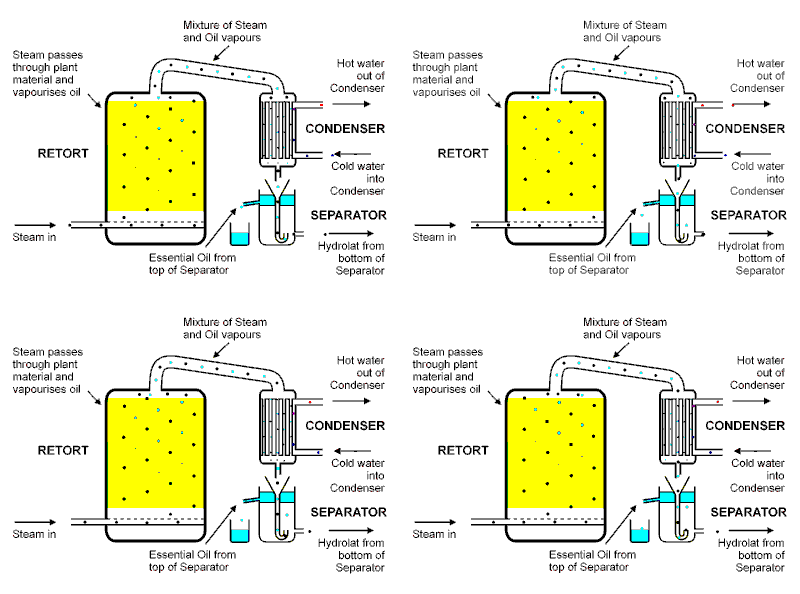
Steam Distillation
The main method by which essential oils are extracted from plants. Distillation involves heating the plant material, the heat and steam cause the walls of the specialised plant cells in which the plant essence is stored, to break down and release the essence in the form of a vapour.
Enfleurage / Solvent
Traditional methods have been used in the perfume industry, and used to extract the finest quality essences from delicate flowers. It is a laborious and therefore costly process, which accounts for the high price of these oils. Oils produced by this method are known as Absolutes, and are very concentrated in character. Their perfuming power and therapeuties are very strong indeed, and smaller amounts are needed to give the effect. They are normally colored and are usually thicker and more viscous than essential oils. It may solidify in the bottle at room temperature, but quickly becomes liquid again when held in the hand.
Expression / Cold Pressed
The essential oils of citrus fruits are obtained by simple pressure. The peel is then squeezed to press out the aromatic oil, with a certain amount of juice. This is left to stand until the oil can be separated off from the top of the juice.
POWER OF ESSENTIAL OIL
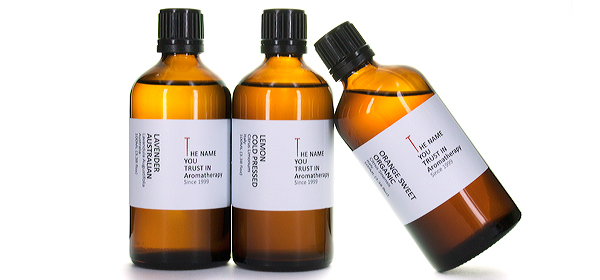
Essential oils are the base materials of the aromatherapy. It can help to maintaining a balance of mental, physical and spiritual health. It can helping the body to return from an imbalanced state which leads to illness, to the ideal balance representing health and well being. Some concrete examples of a lack of balance might be under production of various hormones. Depression, hysteria, wild swings of mood are all states of imbalance. When all the energies in the body and mind are in a state of balance, the person is in a state of health.
Massage with essential oils is the most important method of treatment. Others is probably in aromatic bath. Water itself has many therapeutic properties, when combined with essential oils each enhances the potent effect of the other. The oils also can be used in hot or cold compresses for various physical conditions, and mixed in creams, lotions and aromatic waters to help with the health of the skin, whether it is in treating such conditions as eczema and acne or in promoting a healthy, and therefore beautiful, complexion. Essential oils are readily absorbed through the skin. The aroma alone can have a subtle but real effect on the mind. Inhaling the oils also has a direct effect on the body.
Most satisfactory aspects of using essential oils medicinally and cosmetically is that they enter and leave the body with great efficiency, leaving no toxins behind. They are excreted through urine and faces, perspiration and exhalation. The research has confirmed of practical use of the oils, apart from its anti-viral, anti-bacterial and anti-fungal qualities, which are antiseptic, anti-inflammatory, anti-neuralgic, anti-rheumatic, anti-spasmodic, anti-venomous, anti-toxic, anti-depressant, sedative, nervine, analgesic, granulation-stimulating, circulatory-stimulating and diuretic, and much more besides. Essential oils play an important part in bringing oxygen and nutrients to the tissues while assisting in the efficient disposal of carbon dioxide and the other waste products that are produced by cell metabolism. The general increase in blood flow improves the efficiency of the immune system and decreases blood viscosity. Essential oils admire their ability to operate effectively not only on the cellular, physical level, but in the emotional, intellectual, spiritual and aesthetic areas of our lives also.
DILUTIONS OF ESSENTIAL OIL
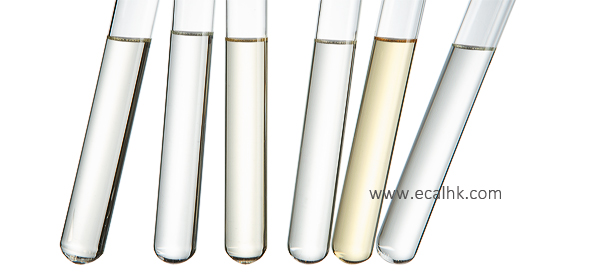
Essential oils are highly concentrated materials, and are hardly ever used neat, with the exception of tiny amount of Lavender or Tea Tree on burns, cuts and grazes, insect bites and stings. For most other purposes the oil must be diluted in a carrier oil.
Water and oil do not mix when essential oils are added to water. Most of the oil will float in a fine film on top of the water and some of it will settle on the skin in undiluted form. It is important to remember this when dealing with skin irritant or photosensitizing oils. To dilute essential oil which is to be added to water, mix it first in vegetable oils, solubiliser, bath salt, bubble bath, turkey red oils, milk or alcohol etc., then add to the water and shake well before use.
Essential oils are highly concentrated materials, and are hardly ever used neat, with the exception of tiny amount of Lavender or Tea Tree on burns, cuts and grazes, insect bites and stings. For most other purposes the oil must be diluted in a carrier oil.
The most usual dilution for massage is 2% to 3%, simplest way to calculate your dilution is to add 3 drops of essential oil to each 5ml of carrier oils, and around 40 to 60 drops to each 100ml of carrier oils. When working with facial massage, babies and children, with pregnant women, the frail, elderly and people with very sensitive skins the oils should be even more dilute as little as 0.5% to 1.5%. The same simple method of measuring can be used. Normally, 5mls of carrier oil will be quite enough to do a face massage and 20 to 25mls will suffice for a full body massage.
Creams and lotions made from pure, natural plant products offer one of the most versatile ways in which to use essential oil. Essential oils can be chosen for a wide variety of therapeutic uses and added to an un-perfumed cream base. The dilution is usually similar to that used in massage.
ESSENTIAL OIL FOR SKINCARE

Skin vitally important in aromatherapy, because essential oils can get into the bloodstream and thus travel around the body. Essential oils have a molecular structure which is relatively small and simple, they pass through the skin easily and to be absorbed by skin that they dissolve easily in fatty substances. The skin produces its own protective layer of an oily wax, called sebum, and essential oils can dissolve in this, making their absorption by the skin even easier. All essential oils are to a certain extent, they promote the growth of healthy new cells and it is at the cellular level that degeneration, delaying the ageing process than of rejuvenation. The most powerful are Lavender and Neroli, regular use can help to maintain cellular reproduction at the level which occur naturally in youth.
Using essential oils is possible to provide a very wide range of treatments for every type of skin. Specialized massage of the face, neck and shoulders and often the scalp is the most important part of the treatment that the appropriate essential oil for your particular skin. It will have the opportunity of penetrating the dead, outer layer of the skin and working on the living layers beneath. You may cover your face with a warm compress after massage, to aid the absorption of the oils, or may make you a face pack from hydrosols, Aloe Vera or clays mask natural plant substances.
Creams made from natural plant offer one of the most versatile ways in which to use essential oil. Its can be chosen for a wide variety of therapeutic uses and added to an un-perfumed cream base and obviously helpful when you are dealing with any kind of skin problem. The creams with essential oils can provide a protects and promotes healing. Choose a cleansing milk, gel or carrier oil, blend well with 3 to 10 drops of essential oil to make an cleanser and have moisturizing effect.
Normal Skin : Cedarwood, Clary Sage, Elemi, Frankincense, Geranium, Jasmine, Lavender, Neroli, Palmarosa, Patchouli, Rose, Rosemary, Rosewood, Sandalwood, Vetiver.
Dry Skin : Benzoin, Bergamot, Cedarwood, Elemi, Fennel, Frankincense, Geranium, Jasmine, Lavender, Myrrh, Neroli, Palmarosa, Patchouli, Rose, Rosemary, Rosewood, Sandalwood, Vetiver.
Oily Skin : Lavender, Cedarwood, Clary Sage, Cypress, Elemi, Frankincense, Geranium, Jasmine, Juniper, Lemon, Neroli, Orange, Palmarosa, Patchouli, Peppermine, Rosemary, Rosewood, Sandalwood, Tea Tree, Thyme, Vetiver, Ylang Ylang.
Mature Skin : Elemi, Frankincense, Geranium, Helichrysum, Jasmine, Lemon, Myrrh, Neroli, Palmarosa, Rose, Rosemary, Sandalwood, Vetiver.
Sensitive Skin : Chamomile, Lavender, Frankincense, Jasmine, Neroli, Rose, Rosewood, Sandalwood.
ESSENTIAL OIL FOR HAIRCARE
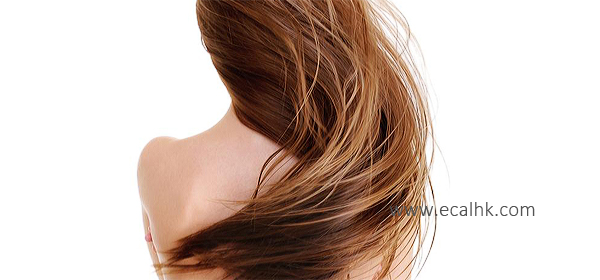
What we are able to do with essential oils is improve the health of the scalp, on which the condition of the hair depends. The health of the hair and scalp depend to a great extent on general health and nutrition, and a diet providing a good balance of minerals and vitamins. The best way to keep the hair in good condition. Shampoos should be mild, as harsh shampoos strip off the natural coating of sebum, an oily wax produced by glands in the hair follicle.
Dandruff can be effectively treated with essential oils. For dry dandruff, dilute Lavender or Tea Tree or a blend of these in a shampoo. For oily dandruff, Bergamot or Sandalwood would be better, as they help to balance the production of sebum. Massage the mild shampoo into the scalp very thoroughly, leave on for up to five minutes and rinse in the usual way two or three times a week. Camomile has been used as a rinse for fair hair and adds a gold tone. Essential oil of Rosemary is used in many commercial hair and scalp products. A few drops can be added to the shampoo or a final rinsing of water after shampooing. Add 2 to 8 drops of an essential oil or blended for your hair type or condition to honey, clay, or vegetable oil such as coconut, olive or jojoba oil for hair conditioning treatment. Mix well and work the mixture into the hair and scalp, leave on for fifteen to thirty minutes. Shampoo as usual.
The essential oils to be helpful for specific hair types or conditions.
Normal Hair : Chamomile, Lavender, Thyme, Ylang Ylang.
Dry Hair : Cedarwood, Chamomile, Clary Sage, Lavender, Rosemary.
Oily Hair : Bergamot, Cendarwood, Clary Sage, Cypress, Juniper, Lavender, Lemon, Patchouli, Pine, Rosemary, Tea Tree, Thyme, Ylang Ylang.
Dandruff : Cedarwood, Clary Sage, Cypress, Lemon, Patchouli, Pine, Rosemary, Tea Tree, Sandalwood.
Hair Loss : Cedarwood, Clay Sage, Rosemary, Ylang Ylang.
ESSENTIAL OIL FOR INHALATIONS
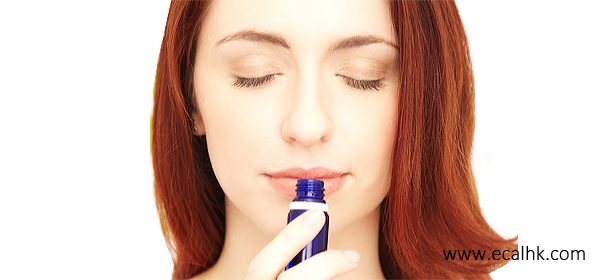
Inhalations have been traditionally used for many centuries to ease problems in the respiratory tract. The most usual method is to put some appropriate plant material in a bowl of near-boiling water or using electrical apparatus for generating steam for inhaling, put in just one or two drop of essential oil.
One of the simplest ways to introduce essential oils into the air is to mix them in water and use them as a spray or use Aromatherapy Atomizer Diffusers. Aerosol generators release essential oils into the air in the form of micro-droplets. Air sprays or diffusers can be used for a wide variety of purposes, from simply perfuming a room to combating infection. Insect repellent oils are effective at keeping a room, or the entire home, free from flies in summer, and deodorising oils, such as Bergamot will clear unwanted smells from the air. Bergamot is also a very good insect repellent, either alone or mixed with Lavender, Any of Lemon scented oils, Melissa, Lemon, Lemon Myrtle, Lemon Tea Tree, Lemongrass or Citronella will deter insects too.
The most important use of such sprays is in treating infectious illnesses, and preventing the spread of infection. During epidemics of 'flu, antiviral or bactericidal oils such as Tea Tree, Bergamot, Eucalyptus and Lavender sprayed repeatedly in the sickroom and around the house will speed the patient's recovery and help to protect other members of the household from infection. Rosemary and Juniper are other oils which can be used in the same way.
Use 20 drops of essential oil to 200mls of distilled water for perfuming, air freshening or deterring insects, and twice this amount as a spray during illness or epidemics.
Inhalations should be very carefully monitored if the person suffer from any allergy. Try provokes no adverse reaction and gradually increased oils and time.
ESSENTIAL OIL FOR THERAPY MASSAGE
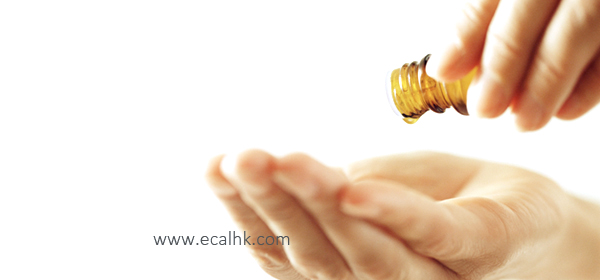
A second factor which enables essential oils to be absorbed by the skin is the fact that they dissolve easily in fatty substances. The skin produces its own protective layer of an oily wax, call sebum and essential oils can dissolve in this, making their absorption by the skin even easier. Immediately below the skin, the particles of essential oil pass into the fluid that baths every cell of the body, and from here they can pass through the ultra-thin walls of the lymph ducts and tiny blood vessels. The aromatic particles pass into the general circulation, and travel around the body.
Massage with essential oils is by far the most important application of aromatherapy, both of these kinds of healing enter into massage. Massage can relieve pain, ease tense and tight muscles, increate circulation, or benefit the physical body in other ways. These strokes are applied to the superficial muscles that is, those muscles which are visible below the skin but the effects also benefit the deeper layers of muscle and possibly the underlying organs. A general feeling of mental wellbeing well usually result, and the most important effect is the degree of relaxation experienced after a massage. Often renewed energy and vigor will follow this deep relaxation. Regular massage will prolong the feeling of wellbeing for ever increasing periods after each treatment.
It is a perfectly normal reaction to tense muscles when we feel mentally tense, it is important to be able to let go of this physical tension before the tight muscles themselves convey a sense of discomfort and unease to the mind, thus setting up a vicious circle of tension. This is one of the ways in which mental stress can lead to real physical symptoms, massage can break this chain of events, especially when we work with essential oils that have a calming, soothing or uplifting effect on the mind as well as the body. Massage is vital to aromatherapy because it provides us with the most effective way of introducing essential oils to the body. The skin absorbs these oils very readily, and get the maximum possible amount of essential oil circulating in the body to stimulate the body own healing processes.
The most usual dilution for massage is 2.5% to 3%, When working with babies and children, with pregnant women, the frail, elderly and people with very sensitive skins should be even more dilute to 0.5% to 1.5%. Generally, 3ml to 5ml of carrier oil will be quite enough to do a face massage and 25ml to 30ml will suffice for a full body massage.
ESSENTIAL OIL FOR HOT AND COLD COMPRESS
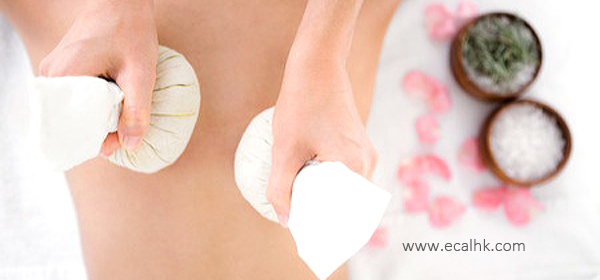
Hot and Cold compresses are a very effective way of using essential oils to relieve pain and swelling and reduce inflammation. Hot compresses are most often used to treat pain of a chronic nature and cold compresses to treat acute pain, and as a first-aid for injuries such as sprains.
Hot compress is prepared by filling a bowl with 4 or 5 drops of essential oil on to the water. Fold a clean piece of absorbent fabric and dip into the water to pick up as much as possible of the essential oil floating on the surface. Wring out the cloth to get rid of surplus water, and place it at once on the painful area. The compress should be replaced with a fresh one when it has cooled to blood heat. Hot compress are particularly helpful in treating backache, fibrositis, rheumatic and arthritic pain.
Cold compress is made and applied in same way, except that the water should be as cold as possible, or you can put some ice in the water. Cold compress are helpful for headaches, sprains, tennis elbow, and other hot, swollen conditions. Hot and cold compressing is a naturopathic technique which aids healing, its very valuable for sprains and other conditions where massage cannot be used.
ESSENTIAL OIL FOR AROMATIC BATH AND SPA
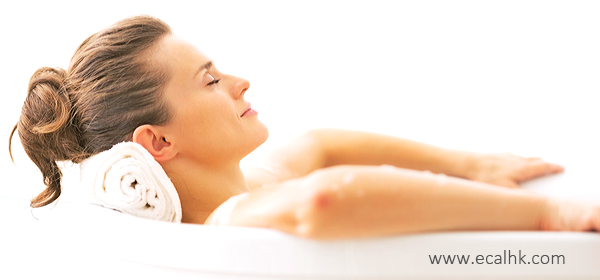
A perfumed bath and a scented massage every day is the way to good health indicating that the medicinal and the pleasurable aspects of bathing overlapped to a great extent. Essential oils offer an extremely easy and attractive way of adding the properties of healing plants to the therapeutic power of water itself. Aromatic baths are versatile forms of treatment in aromatherapy. A bath with essential oils can be relaxing or sedative, stimulating, tonic, aphrodisiac, warming or cooling. It can give relief from muscular pain and skin conditions and act as a treatment or preventative measure for many physical conditions, depending simply on the choice of oils added to the bath. However, it is in reducing stress that aromatic baths are perhaps the most valuable.
Sprinkle about 6 drops of essential oil into the hot water and stir it around to disperse the oil. You may prefer to add the essential oil to a carrier oil, or some other dilutant, such as full-fat milk or vodka, before adding it to the water. The small amount of essential oil in relation to the amount of water in an average bath may surprise you, but this is quite enough. The heat of the water aids absorption of the oil through the skin, and some of the oil will also be released as an aromatic vapour and breathed in. 15 to 20 minutes in the bath is enough time to allow the oils to take effect.
The choice of oils will depend on the effect you hope to produce. Lavender, to relax, ease muscular tension and promote sound sleep. Camomile, also to help with sleep and to soothe allergic skin conditions. Marjoram, to counteract chilling and ease muscular pain. Rosemary to stimulate. Grapefruit, for its cheering, uplifting effect and for its antiseptic and deodorant properties. In choosing oils it is wise to check their major properties so you can avoid using a stimulating oil at night.
Cautions: Never use essential oils in their pure state in baths for babies, young children or the people have sensitive skin, dilute them before adding to the bath.
ESSENTIAL OIL FOR FEET BATH AND MASSAGE

Footbaths have been used for hundreds of years. The feet are a very important area in aromatherapy, partly because of the reflex points on them, which affect every area and organ of the body, and partly because the skin of the feet is particularly good at absorbing essential oils. Some colleagues have reported that results are further heightened by using a footbath immediately after a reflexology treatment. Add salt and 3 to 4 drops of essential oil in a bowl of hot water is effective.
A few special treatments can get your neglected feet back into shape. Massage with the essential oil blended of the feet can be balancing and energy flow literally grounding a person who is perhaps living too much in the head. The essential oils provide a fabulous and effective way to give feet a treat and do much to right the balance.
Lavender, Chamomile, Fennel, a great help to tried, swollen feet. Peppermint, refreshing and great for tired food. Geranium, strengthens the skin and improves elasticity, help prevent blistering and improves circulation in the feet. Use them alone or mix in equal parts.
ESSENTIAL OIL FOR STEAM BATH
Facial and body steam baths are a delightful addition to your regular skincare program. They are a wonderful way to deep clean your pores and add moisture to your skin. they also increase the circulation to your face.
Facial steam baths are similar to steam inhalations, except that their purpose is to improve your complexion. Steaming your face once a week will help prevent blemishes and blackheads, keep your skin looking moist, and give your complexion a healthy glow.
To prepare a facial steam bath, pour about 1 quart of steaming water, add 1 to 5 drops of an essential oil or combination of oils suitable for your skin type. Hold your clean face over the bowl for five to ten minutes. To capture the steam, drape a towel over your head to create a tent. Afterward, apply a cleanser, scrub, or mask to remove any impurities that the steaming released from your pores.
USED ESSENTIAL OIL TO MAKE YOUR CLAY MASK
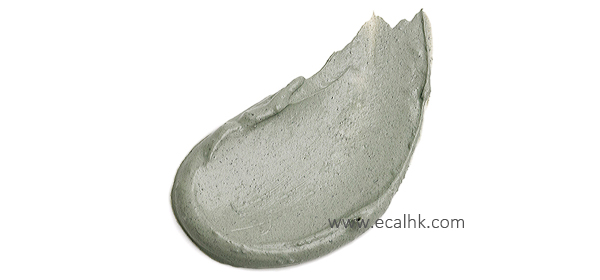
Clays is a naturally detoxifying and cleansing substance that nourishes and softens skin. It contains many minerals, such as iron, magnesium, potassium and zinc. It also can draw out impurities as it decreases swelling and inflammation. Clay improves circulation and promotes healing.
Using clay packs can soothe sore muscles and aching joints and relieve the swelling and inflammation of such conditions as arthritis, backache, carpal tunnel syndrome, muscular sprains, strains and sciatica. They offer relief for acne, blemishes, varicose veins, dermatitis, eczema, psoriasis and seborrhea.
To make a clay mask for body, mix 1 cup of clay powder with approximately 1 cup of Hydrosol to form a smooth paste. Add 4 to 6 drops of an essential oil or blend of essential oils appropriate for the condition being treated. To make a clay mask for face, neck and hand, combine 2 to 4 teaspoons of clay with about 2 to 4 teaspoon of Hydrosol. Add 1 or 2 drops of an essential oil. Spread the clay mixture over the area being treated and relax. You can cover it with a warm towel, if desired. When the clay dries, you can wash it off or soak in tub of water to remove it.
ESSENTIAL OIL FOR AIR REFRESHING AND DEODORANTS
The chlorofluorocarbons in commercial aerosol of air freshener are doing to the earth's ozone layer, or what the chemicals it contains are doing to health. But essential oils provide a far better option all around. Several essential oils are effective deodorizing agents.
One of the simplest ways to introduce essential oils into the air is to mix them in water and use them as a room sprays. They mix better if dissolved in alcohol or solubiliser, but a simple mixture with water will work well enough for a short time if it is vigorously shaken, and to form a good spray.
Use about 10 drops dilution to 100ml distilled water and spray as finely as possible into the air and towards curtains and carpets (But those with pets may want to pay this area special attention). It would be a nice idea to keep a sprayer permanently and put as many drops as you like in a humidifier or aromatherapy steamer. The most effective deodorizing essential oil is Bergamot, its has the advantage of a delicious fragrance of its own, which is fresh and citrussy. Lavender, Neroli, Cedarwood, Pine, Lemon Myrtle, Cypress, Sandalwood as many others is also good as a air freshener.
MADE NATURAL DISINFECTANTS USE ESSENTIAL OIL
All essential oils will either kill bacteria or inhibit their growth to a certain extent, some of them acting on one or two organisms only, and others on a very wide spectrum. A small number of oils will also kill or inhibit viruses. Some of these are very much more powerful than chemical disinfectants.
Among the most useful are Bergamot, Clove, Eucalyptus, Juniper, Lavender, Tea Tree, Thyme, Lemon, Pine, Niaouli, Grapefruit and Lemon Myrtle. Any of these can be used very effectively to disinfect rooms, especially during or following infectious illness. Use about 10 drops dilution to 100ml distilled water can be used for swabbing down all washable surfaces, or another best method is to diffuse the oil in the air. This can be done by means of air sprays, an essential oil burner, or radiator or most of effectively of all, with aerosol generating equipment, during illness or epidemics.
HOW TO MAKE PERFUME USE ESSENTIAL OIL
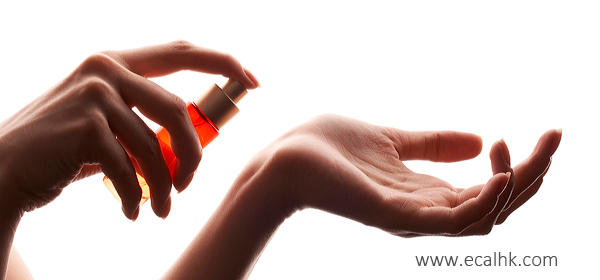
Essential oils and other plant substances, are the oldest form of perfume known. The manufacture of perfume as we know it today, using refined alcohols to dissolve the aromatic oils, Germany and France being the most important influences. But some of the greatest, world class classic perfumes still use essential oils as their principal perfuming ingredients.
The strength of your aromatic liquid depends upon the ratio of essential oil to water and alcohol. Perfume formulation and should comprise 8 to 30 percent essential oil with the remaining 70 to 92 percent being between 70 to 95 percent alcohol and 5 to 30 percent is water. The essential oils should be used neat (100%), they shouldn't be diluted in vegetable oils or anything else. And you should use distilled water or spring water. Ideally, the alcohol should be pure pharmaceutical, vodka, the higher the proof the better.
Pour your blended essential oils into 70ML to 92ML proof vodka or alcohol, stirring slowly but long enough to ensure complete dispersal. Leave it to stand for 48 hours and then add 5ML to 30ML spring or distilled water and again, stir slowly but enough to ensure a thorough mixing is taking place. The mixture should be left to stand for at least another 48 hours, but the fragrance will be much stronger if follow the procedures of the perfume trade and leave the liquid for 4 to six weeks. After letting the liquid mature, pour it through a paper coffer filter and bottle.